How George Washington, Eleanor Roosevelt, and Mary Parker Follett Mastered the Science of Leading Others
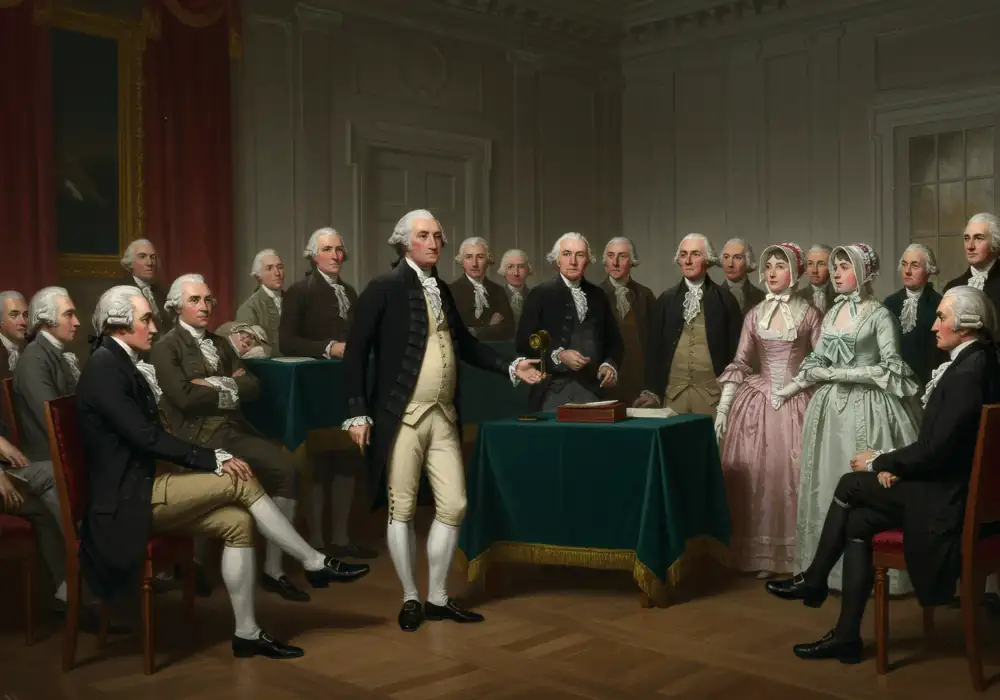
December 23, 1783. In a small room in the Maryland State House in Annapolis, the most powerful man in America did something that shocked the world. George Washington, who had just won the Revolutionary War and could have easily become king, instead resigned his commission and returned to Mount Vernon to farm.
King George III, when told of Washington’s decision, reportedly said, “If he does that, he will be the greatest man in the world.”
But here’s what made Washington truly great: it wasn’t just his decision to give up power—it was how he had wielded that power during eight years of war. Washington understood something that most leaders miss: true influence isn’t about what you can make people do—it’s about what you inspire them to become.
The Master of Impossible Relationships
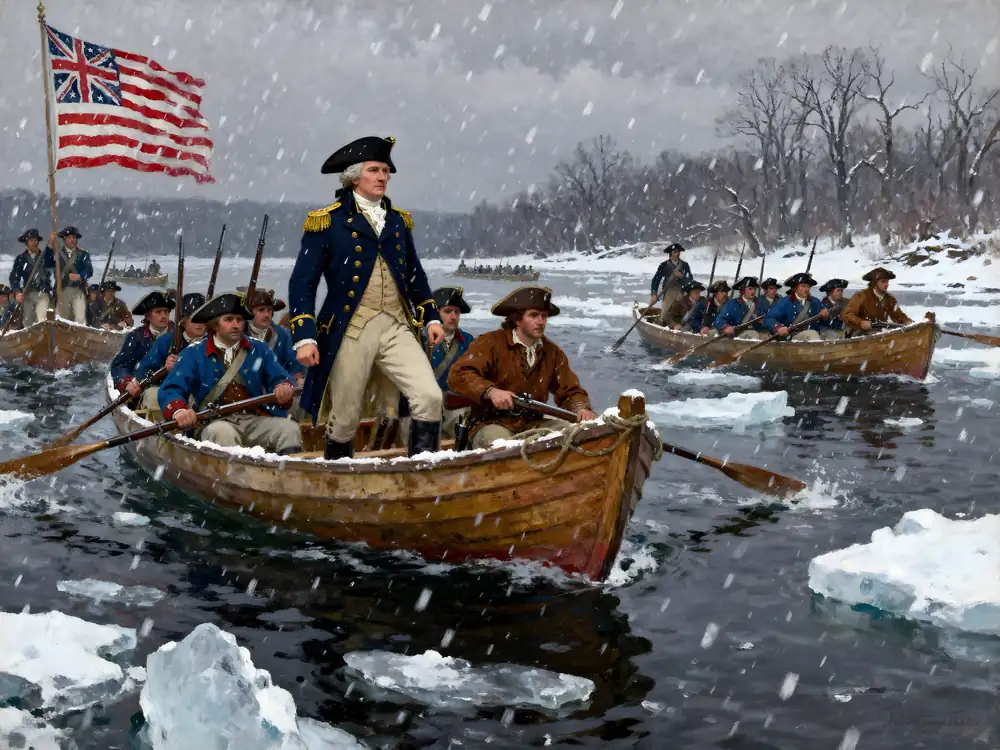
Washington led a Continental Army that was constantly underfunded, undertrained, and undermanned. He had to work with a Continental Congress that was often paralyzed by political infighting. He managed relationships with European allies who had their own agendas, state governments that were reluctant to cooperate, and military officers who sometimes questioned his strategies.
In modern terms, Washington was leading a complex, multi-stakeholder organization with limited resources and unlimited challenges. Sound familiar?
What made him successful wasn’t charisma or brilliant strategic insights (though he had both). It was his deep understanding of human nature and his ability to adapt his leadership style to influence different types of people effectively.
With his officers, he was decisive and strategic. With politicians, he was patient and diplomatic. With his soldiers, he was caring and inspiring. Washington had mastered what we now call emotional intelligence and situational leadership.
The Global Influencer
Jump ahead to 1945, and Eleanor Roosevelt is facing perhaps the most complex leadership challenge in human history: chairing the United Nations Human Rights Commission and trying to get representatives from 58 countries—with vastly different cultures, political systems, and values—to agree on a Universal Declaration of Human Rights.
The Soviet Union wanted to emphasize economic rights. Western democracies focused on political freedoms. Developing nations prioritized self-determination. Religious representatives wanted spiritual values included. Secular delegates wanted them excluded.
How do you lead when everyone has a different agenda and no one has to follow you?
Eleanor Roosevelt succeeded because she understood what modern leadership research confirms: influence comes from relationships, not authority. She studied each delegate’s personality, cultural background, and core motivations. She adapted her communication style to connect with different types of people. She built coalitions by finding common ground while respecting differences.
The result was the Universal Declaration of Human Rights—a document that has influenced human rights law and policy for over 75 years.
The Prophet of Modern Management
Then there’s Mary Parker Follett, a woman who was decades ahead of her time in understanding organizational leadership. In the 1920s, when most business leaders operated through command-and-control hierarchies, Follett was teaching what we now call collaborative leadership, emotional intelligence, and systems thinking.
Follett understood that the best leaders don’t just manage tasks—they develop people. She believed that organizations succeed when leaders understand each person’s unique contributions, create environments where different personality types can work together effectively, and focus on equipping others for success rather than just getting immediate results.
Her principles influenced leaders like Henry Ford (who implemented many of her ideas at Ford Motor Company) and became the foundation for modern human resources practices, team leadership, and organizational development.
The Science of Strategic Influence
What Washington accomplished through intuition, what Eleanor Roosevelt achieved through diplomatic skill, and what Mary Parker Follett taught through observation—modern leadership science has now confirmed and systematized.
This is exactly what our Lead in the World pathway is designed to help you master.
Understanding Your Influence Style
Through the Maxwell DISC insights and specialized reports, you gain the same understanding of human nature that these leaders had. Our Sales Leader and Sales Profile Reports help you understand not just your own selling and influencing style, but how to adapt your approach to connect with different personality types—just like Washington adapted his leadership style to different audiences.
The Group DISC Report reveals team dynamics, communication patterns, and potential conflicts before they become problems. It’s like having Eleanor Roosevelt’s diplomatic insight into how different personalities can work together effectively, even when they have very different styles and motivations.
Building High-Performance Teams
Our Benchmark HR Report gives you the tools to make hiring, promotion, and team development decisions based on comprehensive personality insights, not just gut feelings. When you understand each team member’s natural strengths, motivators, and communication style, you can create what Mary Parker Follett envisioned: organizations where everyone contributes their best work.
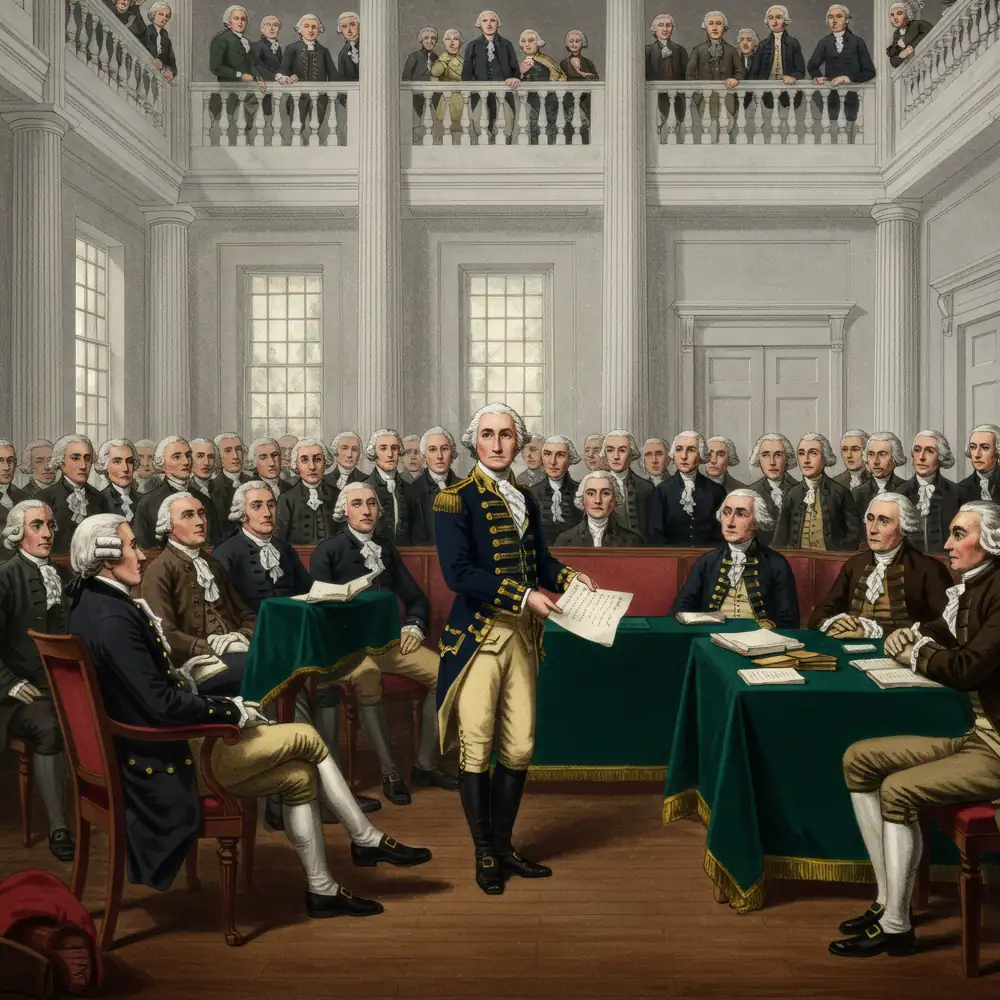
The REAL Masterminds (Relationships, Equipping, Attitude, Leadership) provide the same kind of practical leadership development that made Washington, Roosevelt, and Follett effective: learning how to build authentic relationships, equip others for success, maintain the right attitude under pressure, and lead with integrity and vision.
The Multiplication of Leadership
Here’s what these three leaders understood and what separates good leaders from great ones: your success isn’t measured by what you accomplish personally—it’s measured by what you enable others to accomplish.
Washington’s true legacy wasn’t winning the Revolutionary War—it was establishing precedents for democratic leadership that have influenced leaders for over 200 years. Eleanor Roosevelt’s greatest achievement wasn’t chairing the UN commission—it was creating a framework for human rights that continues to protect people worldwide. Mary Parker Follett’s impact wasn’t in the companies she consulted with—it was in the leadership principles she established that continue to guide organizations today.
Your Leadership Legacy
Whether you’re leading a team of five or an organization of five thousand, whether you’re in sales, HR, operations, or executive leadership, the principles that made Washington, Roosevelt, and Follett effective remain the same: understand people, build authentic relationships, equip others for success, and focus on creating lasting positive change.
Through our specialized assessments, group coaching, and mastermind programs, you’ll develop the same strategic thinking, emotional intelligence, and people development skills that enabled these leaders to create lasting influence.
The question isn’t whether you have leadership potential—you do. The question is whether you’ll develop and apply it with the same intentionality that created these historical legacies.
Your team is waiting to be understood and equipped. Your organization is waiting for leadership that develops people, not just manages tasks. Your community is waiting for influence that serves others, not just advances your own interests.
True leadership isn’t about the power you have—it’s about the power you give to others.
Discover how you can Lead In Your World!